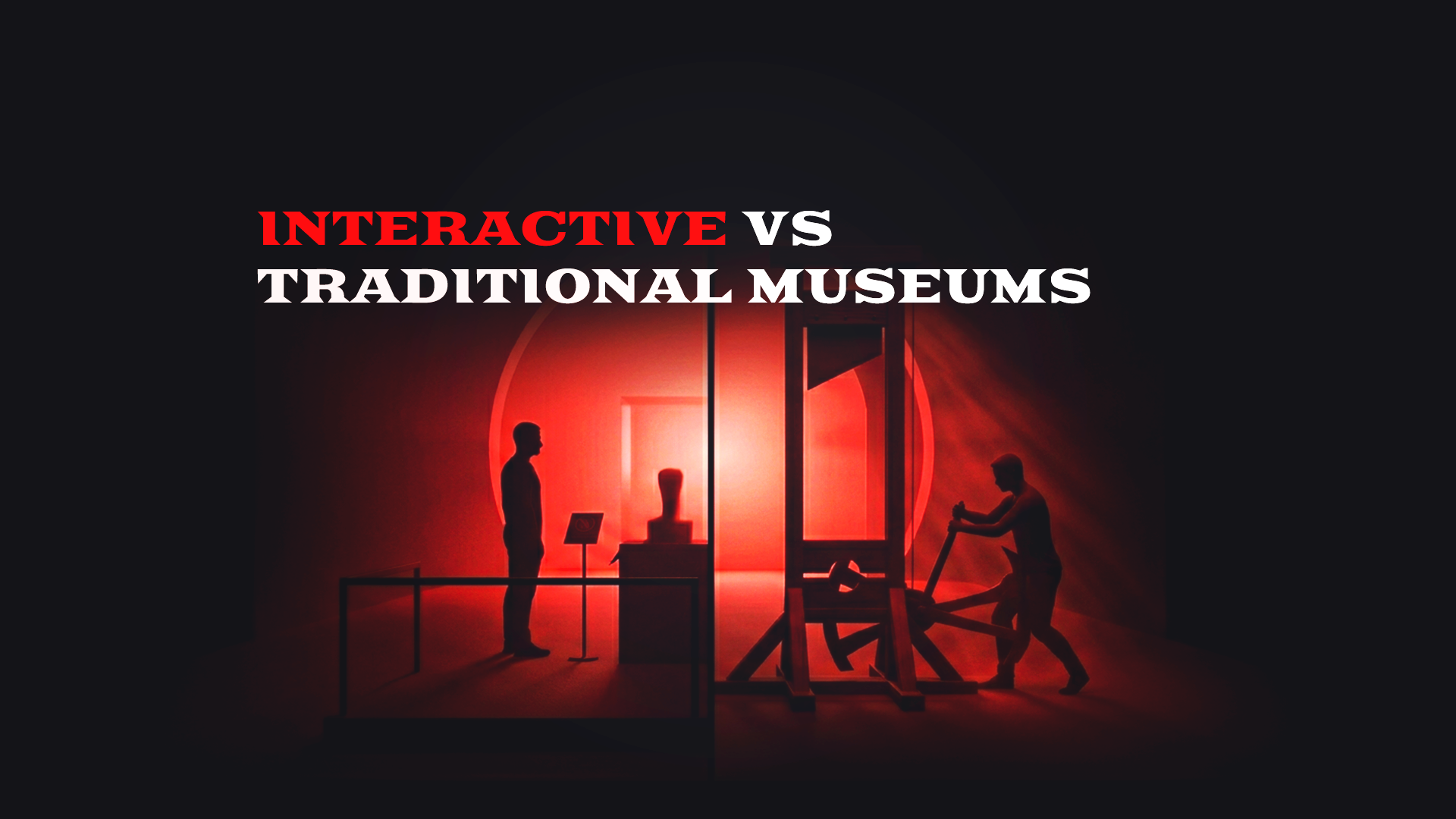
An interactive museum is a public space where visitors physically engage with displays instead of just looking. The ongoing debate between an interactive museum and a traditional gallery focuses strictly on processing information. Traditional halls rely entirely on passive sight and reading small, dense text plaques. Modern spaces use physical touch and direct sensory input to teach complex, historical subjects. You learn much faster through direct action and continuous physical movement. This positive shift transforms standard weekend trips into active, highly memorable learning sessions. We will explore how modern design permanently changes our fundamental understanding of the world.
Touching History: Why Interaction is Key
Interaction remains crucial because it forces the human brain to solve problems instead of passively receiving raw data. When you analyze a standard museum vs interactive exhibit, the main difference lies in visitor participation. You grab wooden levers, solve mechanical puzzles, and test historical theories in real time. This approach represents hands-on history in its most effective educational form. Experiencing historical events firsthand builds much stronger memory pathways than reading textbooks. You instantly grasp the heavy weight of an ancient sword or the mechanics of a complex pulley system. Direct physical contact completely bridges the gap between past events and present reality.
Beyond the Glass Case: Immersive Education
Immersive education helps to learn faster. When you surrounded with the sights, sounds, and physical objects of a specific historical era you are triking your mind in remembering everything because it powered by strong emotions. These immersive experiences are significantly better because they trigger genuine emotional responses from visitors. You aren`t just reading about a severe ocean storm; you physically feel the cold wind. This active approach forms the absolute core of modern education across the globe. Engaging attractions pull you directly into the subject matter, activating your kinesthetic memory. Makes you learn without feeling like a standard lesson. Teachers consistently report higher engagement rates when students interact physically with educational material.
“I hear and I forget. I see and I remember. I do and I understand.” — Xunzi
The Future of Learning in Modern Museums
The future of learning relies heavily on experiential environments rather than static, quiet displays. Modern museum design strictly prioritizes user flow and continuous physical engagement throughout the entire building. Architects carefully build wide spaces where you become an active part of the unfolding story. You will see experiential museums in Chicago leading this specific educational trend right now. They seamlessly mix new technology with old physical objects to create engaging interactive history lessons. We permanently move away from silent, dusty rooms and walk directly into active, noisy laboratories.
- Physical engagement increases information retention by activating muscle memory.
- Sensory feedback creates emotional connections to abstract historical concepts.
- Shared activities promote natural discussions among friends and family members.
Why You’ll Remember an Interactive Visit More
You remember an interactive visit more clearly because physical movement locks new information firmly into memory. Holding a historical object creates an immediate personal connection to the distant, unfamiliar past. This concept perfectly describes the Medieval Torture Museum, where dark history becomes reality. The exhibits let you feel the true weight of historical justice through sensory and touchable displays. You safely explore complex human psychology and medieval laws in a controlled, highly educational setting. Take a bold step into the past and visit the Medieval Torture Museum to experience this immersion.
The human brain categorizes physical experiences entirely differently than plain text read from a small screen. Muscle memory works together with visual processing to cement the new knowledge permanently in your mind. You naturally recall the exact physical sensation of turning a heavy wooden wheel or pulling a thick rope. These strong sensory memories ensure you never forget the valuable lessons learned during your interactive weekend visit. Active participation guarantees a lasting educational impact. This physical engagement transforms a simple trip into a profound journey of discovery.
“Play is the highest form of research.” — Albert Einstein