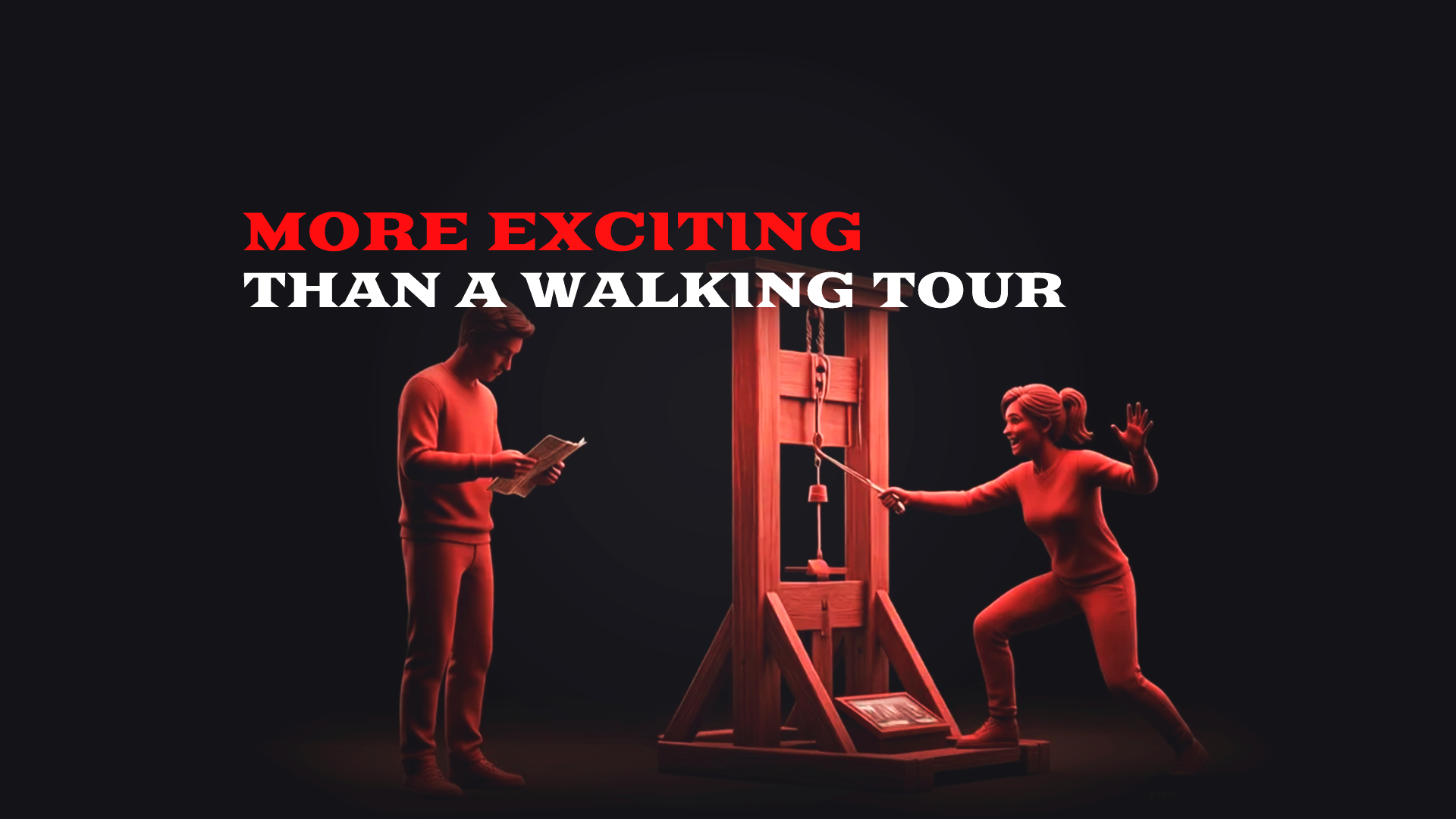
History is a physical space we can enter right now. Yesterday post is already a history. But what about hundreds yers prior? True historical immersion means leaving the passive sidelines and stepping directly into past eras. A typical Chicago walking tour offers facts, but it lacks the physical connection that can bringing the past to life. Instead of enduring boring tours on a noisy sidewalk, we could choose active participation and storytelling. We want ot show you value in hands-on environments. Where history will surround you completely for you to experience the past firsthand. You will see another sice of the coin and maybe will like it better!
Active Exploration vs. Passive Listening
Traditional excursions fail to hold our attention because they rely on static lectures. Following a person with a flag feels like a slow march through a textbook. We realized that staring at facades from a distance limits our true understanding. Active exploration demands our physical presence and mental engagement at every step. Moving through a curated space forces us to interact with the environment. This is why interactive walking tours provide a superior connection to our heritage.Taking control of our journey transforms a dull afternoon into a vivid memory.
Why Interactive Museums Beat Standard City Tours
Specialized museums provide ultimate Chicago tour alternatives by placing you directly inside the story. A guide points at a modern building and expects you to imagine the past. An immersive museum builds the era around you and lets you explore freely. These indoor activities Chicago offers protect you from unpredictable weather while delivering emotional experiences. You get to set your pace and examine historical details that interest you most. This represents the core appeal of unique city tours focusing on specialized themes.
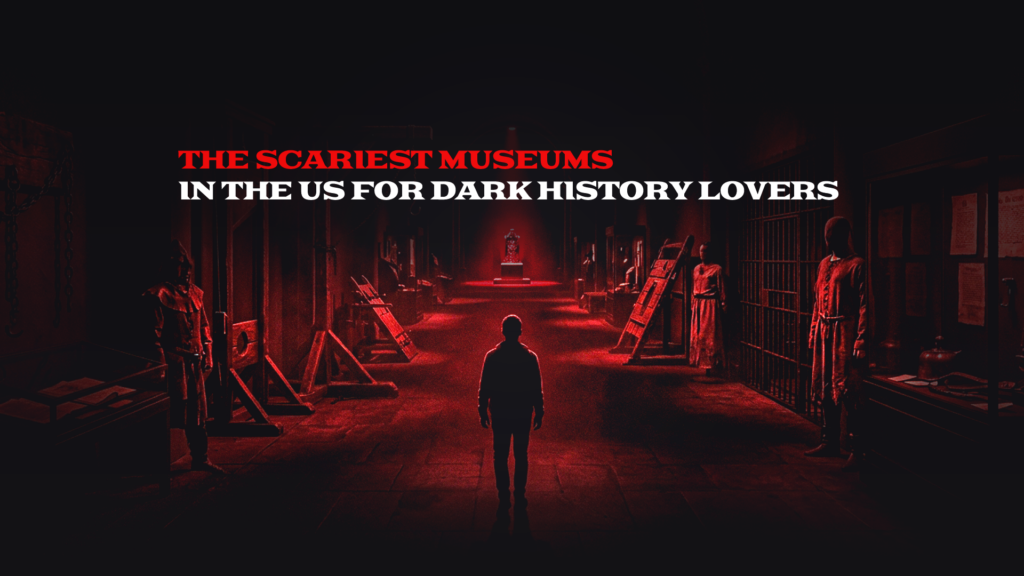
The Medieval Torture Museum exemplifies this hands-on approach to historical education. Here, you examine authentic mechanisms of punishment revealing the grim realities of medieval justice. You can inspect displays closely and feel the weight of history. This physical connection makes the historical context absolutely undeniable. You need to check out their exhibits and plan a visit at the Medieval Torture Museum today. Experiencing this environment ranks highly among thrilling Chicago Loop attractions, proving David McCullough’s point that “History is who we are.”
Engaging Your Senses in a New Way
True immersion requires stimulating your sight, sound, and touch simultaneously. Reading a flat plaque only engages a small part of our brain’s capacity for memory. We form lasting connections when a physical space smells like old parchment or echoes with historical sounds. This multi-sensory approach defines the future of immersive storytelling Chicago visitors demand. We remember the chill of a cold stone wall far longer than a simple date. This method proves alternative sightseeing delivers deeper educational value.
You will easily identify an engaging historical space by its carefully designed sensory elements. Look for these specific features when choosing your next destination.
- Authentic soundscapes recreating historical atmospheres.
- Tactile exhibits allowing you to handle replica artifacts.
We actively absorb knowledge when our environment feels authentic and alive. Finding these locations guarantees a rewarding outing.
Breaking Free from the Boring Guidebook
Ditching the standard tourist itinerary will open you completely new avenues for discovery. True historical immersion happens when we allow natural curiosity to guide our steps through an unfamiliar environment. We uncover hidden details and untold stories generic guidebooks gloss over entirely. Your best travel memories always come from unscripted moments and personal explorations. This freedom transforms a basic trip into a profound journey of active learning.
As Michael Crichton wrote, “If you don’t know history, then you don’t know anything.” Taking charge of your education brings the past to vibrant life.