
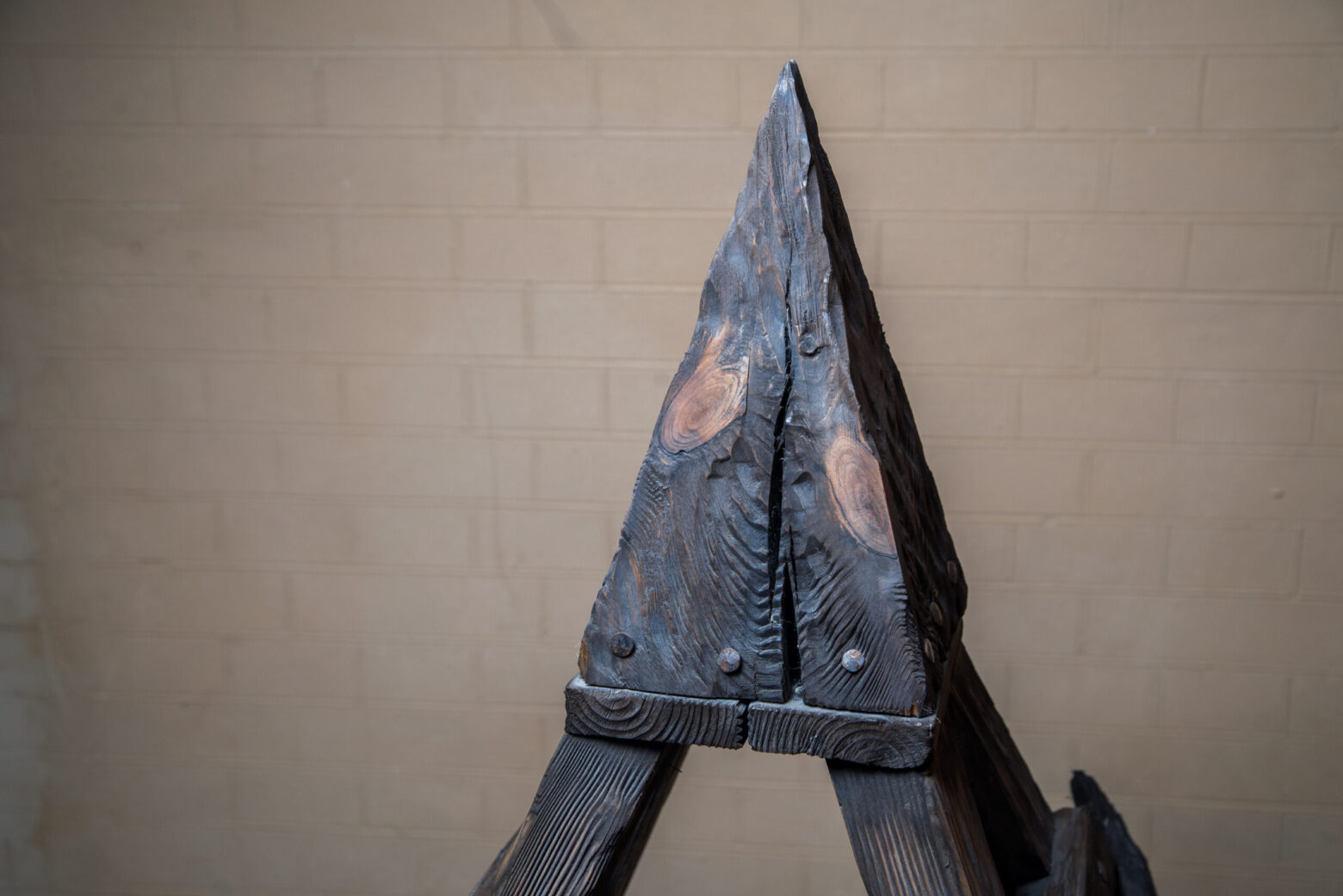
Quick answer: The Judas cradle is a name used for a pyramid-shaped device in popular accounts of torture and in museum reconstructions. Its defining feature is a pointed seat, rather than the stretching mechanism associated with a rack. A familiar name or a reconstructed display does not, by itself, establish when, where or how often a historical device was used.
This guide explains the device as it is commonly represented and distinguishes that representation from claims about medieval courts and the Inquisition. When reading about historical punishment, look for a dated source, a specific place and a clear distinction between an original object, a later reconstruction and a story repeated by modern writers.
The Origins of the Judas Cradle
Descriptions often place the Judas cradle in the Middle Ages or associate it broadly with inquisitorial torture. Those labels are not interchangeable. The medieval period covered many centuries and jurisdictions, while institutions called inquisitions operated in different places and at different times. A historical claim needs more than a general reference to a dark age.
For any proposed origin, ask which text or object supports the date. Is it a contemporary court record, a later illustration or a modern display label? Does the source use the same name, or has a modern name been applied retrospectively? Those questions help prevent a representation from becoming an unsupported claim of routine use.
The Mechanism of Pain: How the Judas Cradle Worked
In modern representations, the device combines a pyramidal seat with a suspension arrangement. The emphasis is on pressure and coercion, which distinguishes the image from instruments represented as stretching the body or restraining it in an enclosure. This is a description of the depicted design, not a verified account of every historical use.
Mechanical plausibility is also different from historical proof. Showing that a reconstruction could function does not establish its age, frequency of use or connection to a particular court. The history of a device has to be assessed through evidence as well as through its appearance.
Fear and Control: The Role of the Judas Cradle in Medieval Justice
A torture exhibit can prompt questions about coercion, authority and the reliability of confessions. It cannot on its own explain an entire legal system. The permitted procedures, safeguards and purposes of punishment need to be examined in the records of a particular jurisdiction rather than assumed from one dramatic object.
For a broader introduction to the distinction between devices and legal procedures, read our guide to the Inquisition and interrogation devices. Treat claims about common use, public spectacle or a named institution as questions requiring a specific source.
The Psychological and Physical Effects of the Judas Cradle
The way a pointed device is presented is intended to communicate intimidation and physical vulnerability. That interpretation should not be expanded into precise claims about duration, injury, mortality or the reactions of witnesses without supporting evidence. A vivid modern account is not a substitute for a documented historical case.
Museum visitors can consider how sound, lighting and reconstruction influence their response while still asking what is known about the object being represented. This approach allows a display to be unsettling without making its dramatic effect the measure of its historical accuracy.
The Judas Cradle Compared to Other Medieval Torture Devices
Popular torture displays bring together devices with different histories. Comparing their forms can be useful, but putting them in the same exhibition does not establish that they were contemporary, equally well documented or used for the same purpose.
For related reading, see how the rack is described, our article on the breaking wheel and the overview of torture devices and disputed historical claims. Each device should be assessed separately, with attention to dating and provenance.
Where to Experience the History of Medieval Torture
The Medieval Torture Museum provides a modern visitor experience centered on displays about punishment and dark history. Before visiting, review the subject matter, age guidance, access information and current ticket conditions for your chosen location. A reconstruction helps illustrate a subject; it should not be mistaken for a surviving medieval object.
Find practical information for Medieval Torture Museum Chicago, Los Angeles and St. Augustine. Choose the location that fits your trip rather than treating the three cities as one historical setting.
The Lasting Legacy of Medieval Torture
The Judas cradle remains a recognizable image in popular presentations of historical punishment. Its value as a starting point for discussion lies in the questions it raises: what counts as evidence, how institutions used coercion, and how later audiences turn the past into spectacle. Careful interpretation keeps those questions separate from unsupported certainty.
Judas cradle questions
Is a museum reconstruction proof of medieval use?
No. A reconstruction shows how a device is represented. Its historical dating and use still require evidence from objects, texts or records.
Is the Judas cradle the same as the rack?
No. The Judas cradle is represented with a pointed pyramidal seat; a rack is represented with a stretching mechanism. Their appearance does not establish a shared origin or legal context.
Where can I check tickets and visitor information?
Use the official location pages. For a Chicago visit, see Chicago tickets and current visitor information; check the content and age guidance before booking.